Heritage Trip
1 Day
Price: $150
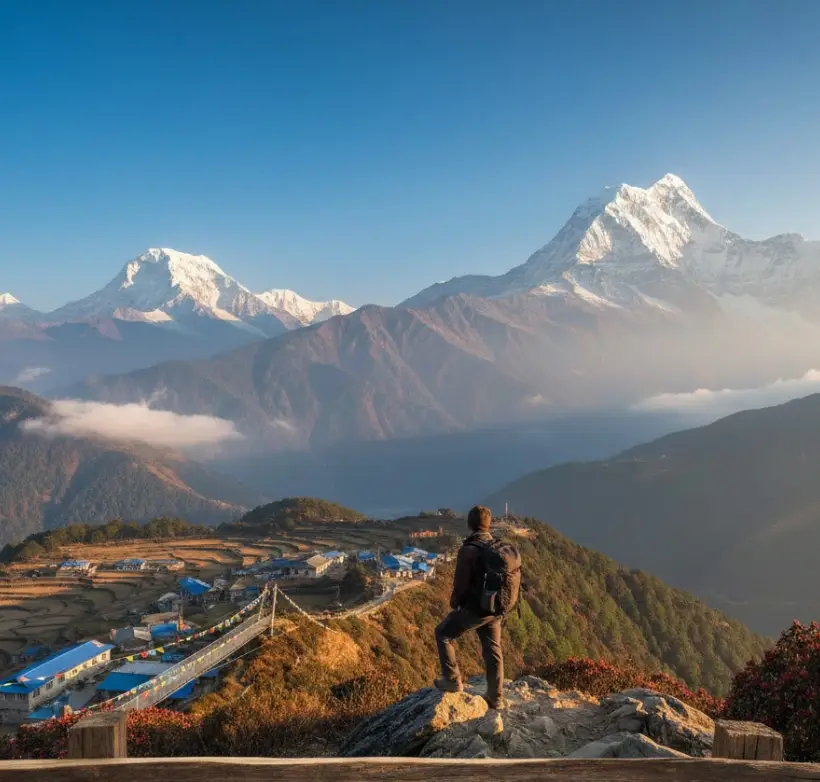
Deciding when to visit Nepal can make all the difference to your adventure. While it’s a year-round destination, certain seasons offer optimal conditions for specific activities, from high-altitude trekking to thrilling whitewater rafting. Understanding Nepal’s climate and festival calendar will help you plan your perfect Himalayan escapade.
1. Autumn (September to November): The Golden Season
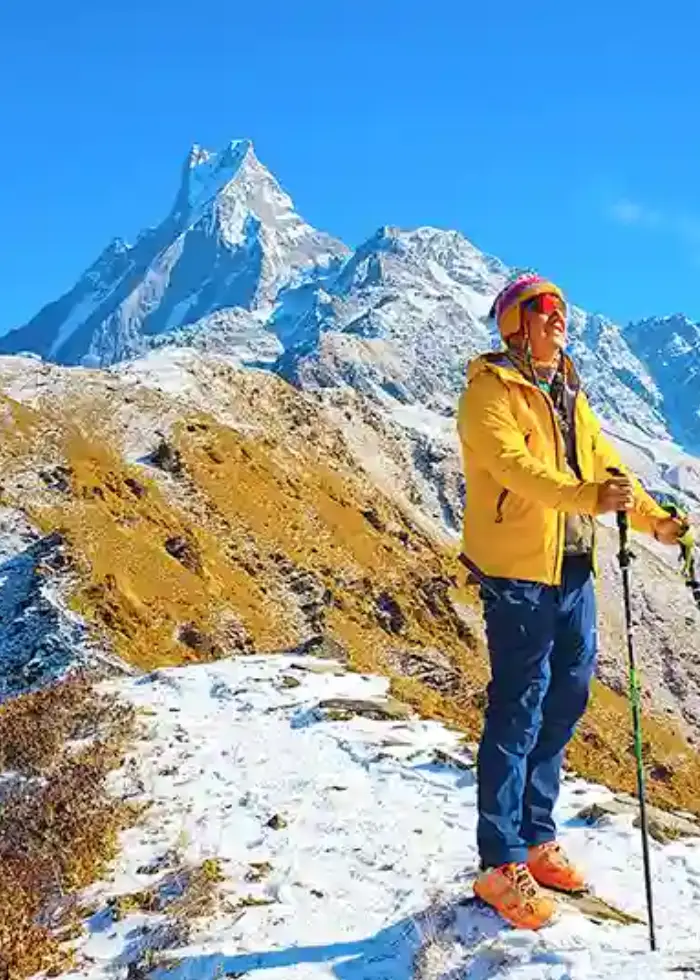
Why it’s Best: Widely considered the prime trekking season. The monsoon rains have cleared, leaving the air crisp, skies brilliantly clear, and mountain views spectacular. Temperatures are moderate, making high-altitude treks like Everest Base Camp and the Annapurna Circuit incredibly enjoyable.
Activities: Ideal for all trekking, peak climbing, and clear-sky paragliding. Major festivals like Dashain and Tihar (Nepali Diwali) add cultural richness.
Considerations: This is peak tourist season, so expect more crowded trails and higher prices for flights and accommodation. Book well in advance!
2. Spring (March to May): Rhododendrons and Rising Peaks
Why it’s Great: Another excellent trekking season, especially for lower and mid-altitude treks where rhododendron forests burst into vibrant bloom. Temperatures are warming up, and visibility is generally good, though hazy conditions can occur before the monsoon.
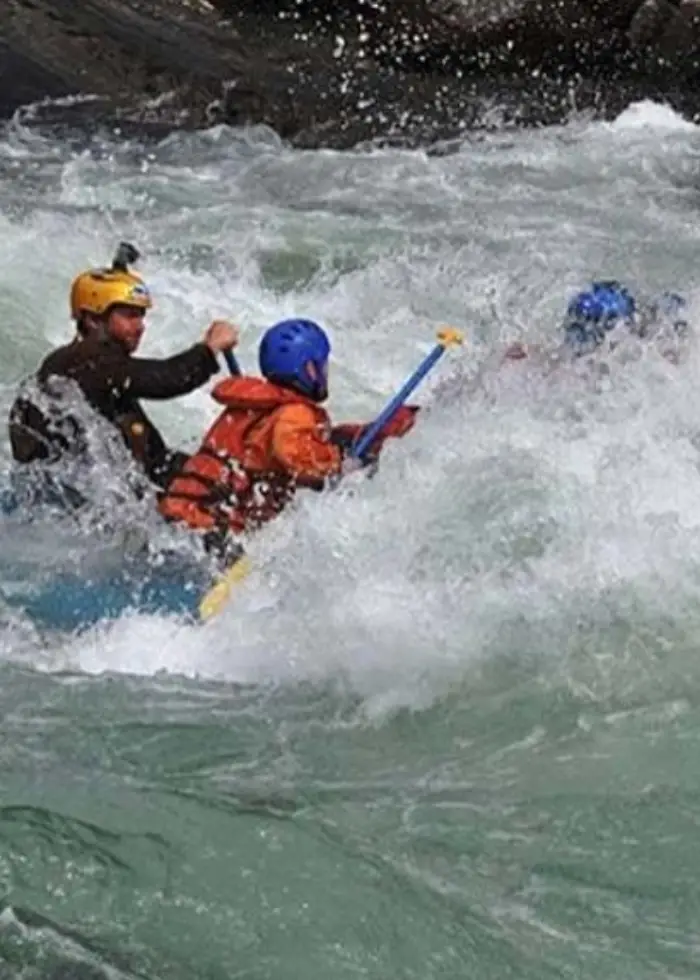
Activities: Perfect for trekking, peak climbing (especially 7000m+ expeditions as conditions stabilize), and mountain biking. The warmer weather is also great for rafting as river levels are good from melting snow.
Considerations: Towards late May, pre-monsoon heat and haze can sometimes obscure distant mountain views at lower altitudes.
3. Winter (December to February): Serene and Chilly
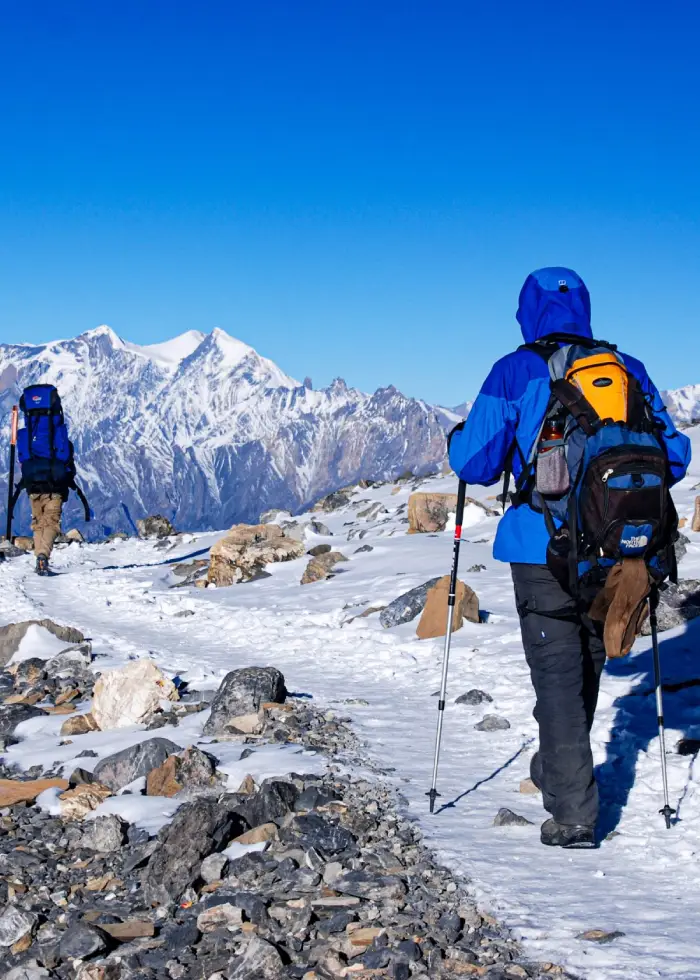
Why it’s Unique: For those who prefer solitude and don’t mind the cold, winter offers crisp air and incredibly clear views. Lower altitude treks (like the Ghorepani Poon Hill trek) are still very popular, and the mountain scenery, dusted with snow, is breathtakingly beautiful.
Activities: Best for lower altitude trekking and cultural tours. High-altitude passes may be closed due to heavy snow. This is also a fantastic time for wildlife viewing in national parks.
Considerations: Very cold, especially at higher altitudes. Day lengths are shorter. Ensure you have proper cold-weather gear.
4. Monsoon (June to August): Lush Green and Adventurous Rivers
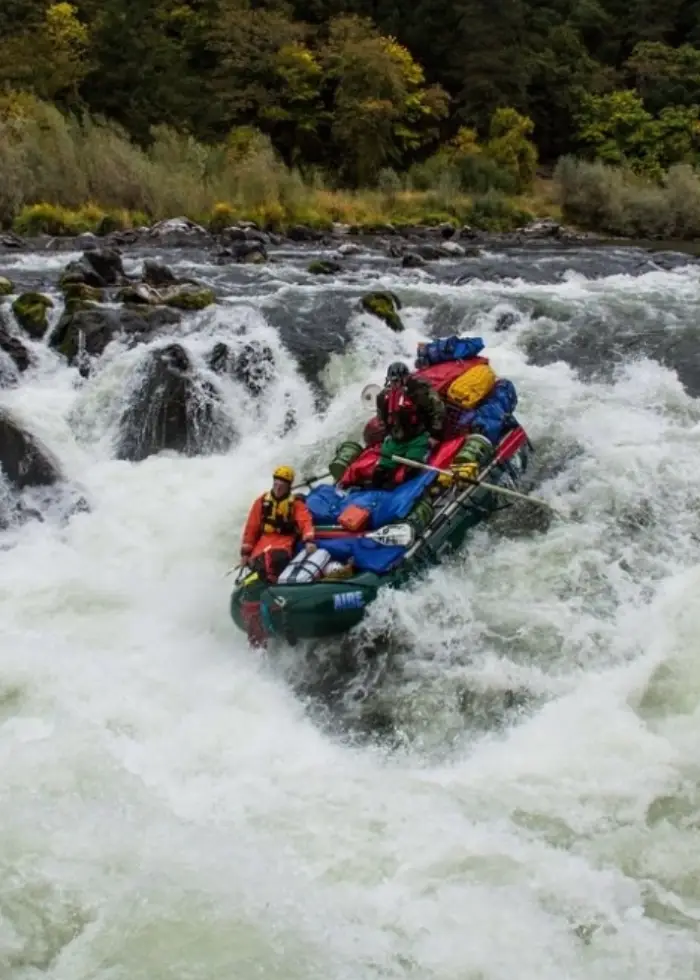
Why it’s Different: While not ideal for high-altitude trekking (due to leeches, slippery trails, and obscured views), the monsoon transforms Nepal into a lush, vibrant green paradise. This is the prime season for whitewater adventures as rivers swell with rain.
Activities: The best time for whitewater rafting and kayaking. Trekking in rain-shadow areas like Upper Mustang and Dolpo is excellent, as these regions receive little to no rain.
Considerations: Expect daily rain. Trails can be muddy, and views often obscured by clouds. Internal flights are more prone to delays.
Copyright © 2026 All Rights Reserved. Developed By: Adventure Sports Nepal