Heritage Trip
1 Day
Price: $150

1. Embrace the “Shoulder Season”
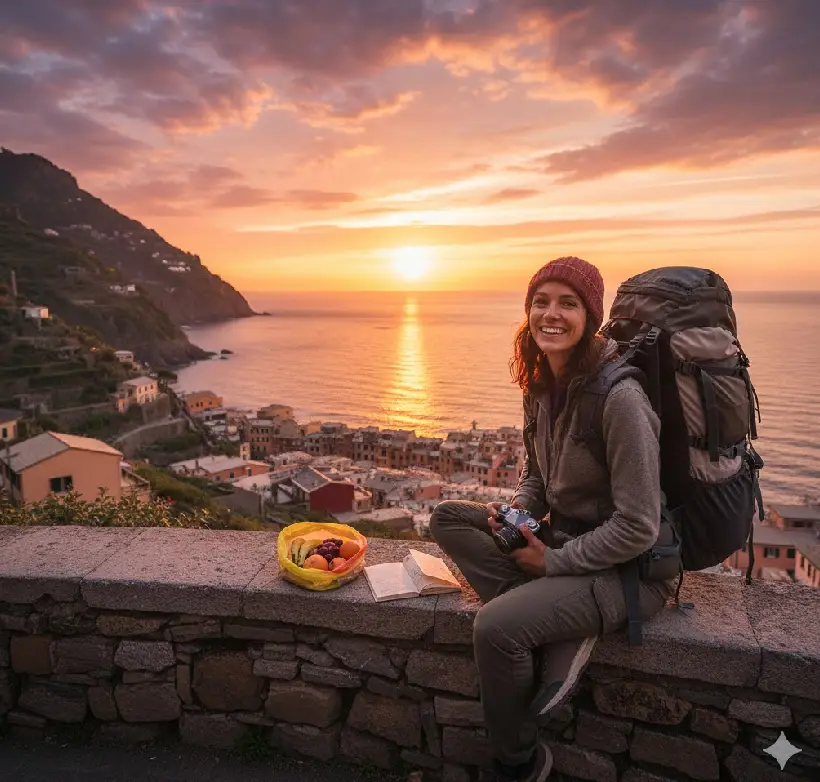
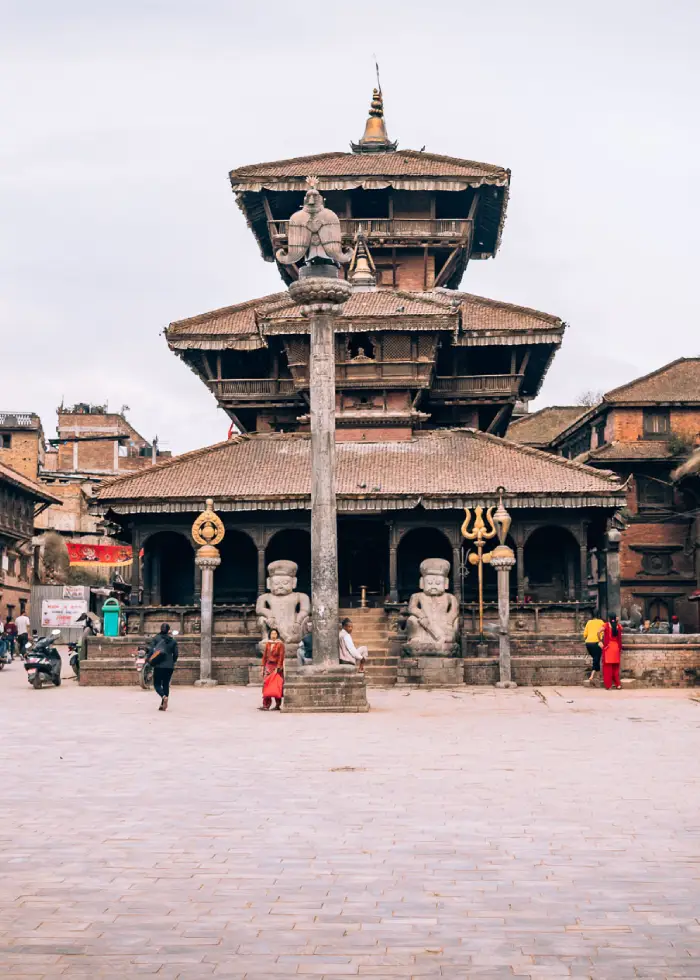
Peak season means peak prices. By traveling during the shoulder season—the months just before or after the high-traffic summer or holiday periods—you can save up to 30% on accommodation and flights. In 2026, targeting destinations like Nepal in late May or Portugal in October offers the perfect balance of great weather and lower costs.
2. Stay Like a Local
Ditch the expensive hotel chains. Opt for family-run guesthouses, boutique hostels, or short-term rentals in residential neighborhoods. Not only are these options cheaper, but they also provide a more authentic glimpse into local life.
Pro Tip: Look for places with kitchen access. Cooking just one meal a day (like breakfast or dinner) can save you hundreds over a two-week trip.
3. Master the Art of Slow Travel
The more you move, the more you spend. Transportation is often the biggest budget-killer. Instead of rushing through five cities in a week, pick two and stay longer. You’ll save on train and bus fares, and many rentals offer significant discounts for stays of 7 days or more.
4. Eat Away from the “Tourist Track”
If a restaurant has a menu in five languages and a greeter at the door, you’re likely paying a “tourist tax.” Walk three blocks away from the main square or landmark. Follow the locals to find the best street food, busy markets, and family-owned “hole-in-the-wall” eateries where the food is better and the prices are honest.
5. Leverage Public Transit and Your Own Two Feet
Taxis and rideshares add up fast. Most major cities in 2026 have incredible metro systems or bike-share programs that cost a couple of dollars per day. Better yet, walking is free. It’s the best way to stumble upon hidden alleys, local parks, and street art you’d miss from a car window.
6. Seek Out Free Cultural Gems
You don’t always need a ticket to experience a culture.
Free Walking Tours: Most major cities have “pay-what-you-wish” tours led by local students or history buffs.
Museum Days: Many world-class museums have “Free Entry” days (usually the first Sunday of the month or specific weekday evenings).
The Great Outdoors: Hiking trails, public beaches, and local festivals are often the highlights of a trip and cost absolutely nothing.
7. Use a Multi-Currency Debit Card
Avoid the “hidden” fees of traditional banks. Use digital-first banks (like Revolut, Wise, or Monzo) that offer the mid-market exchange rate and zero foreign transaction fees. In 2026, withdrawing cash at an airport “White Label” ATM is one of the fastest ways to lose $10 in fees—always use a reputable bank ATM.
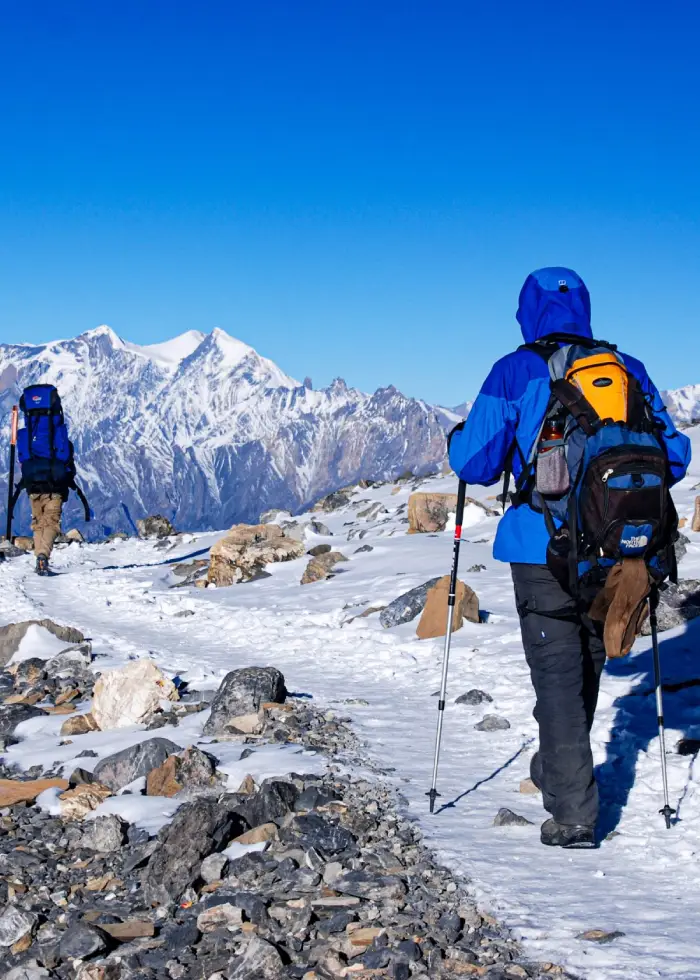
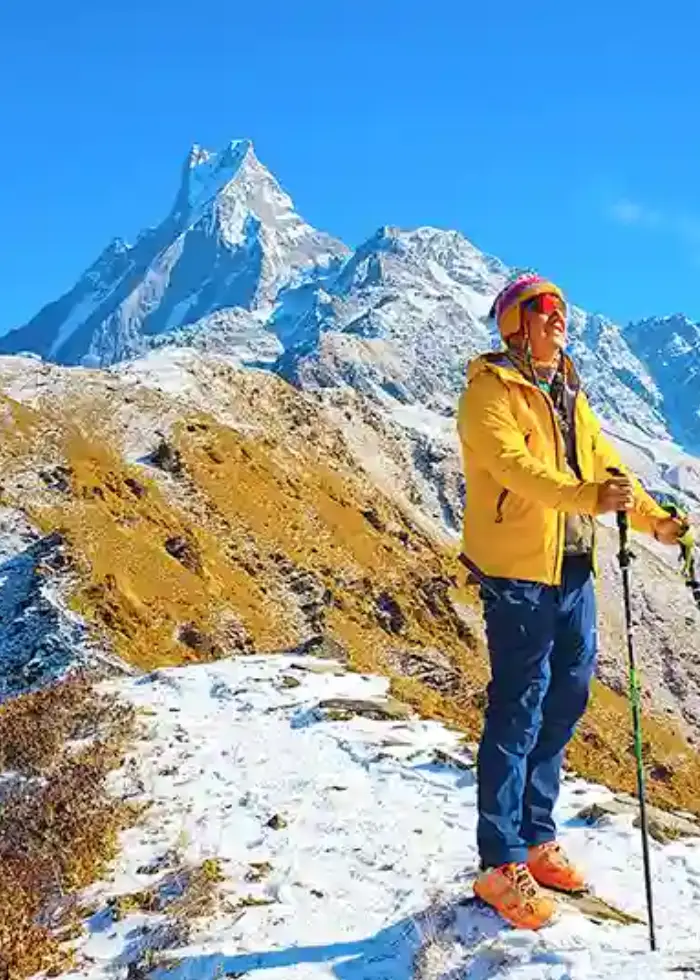
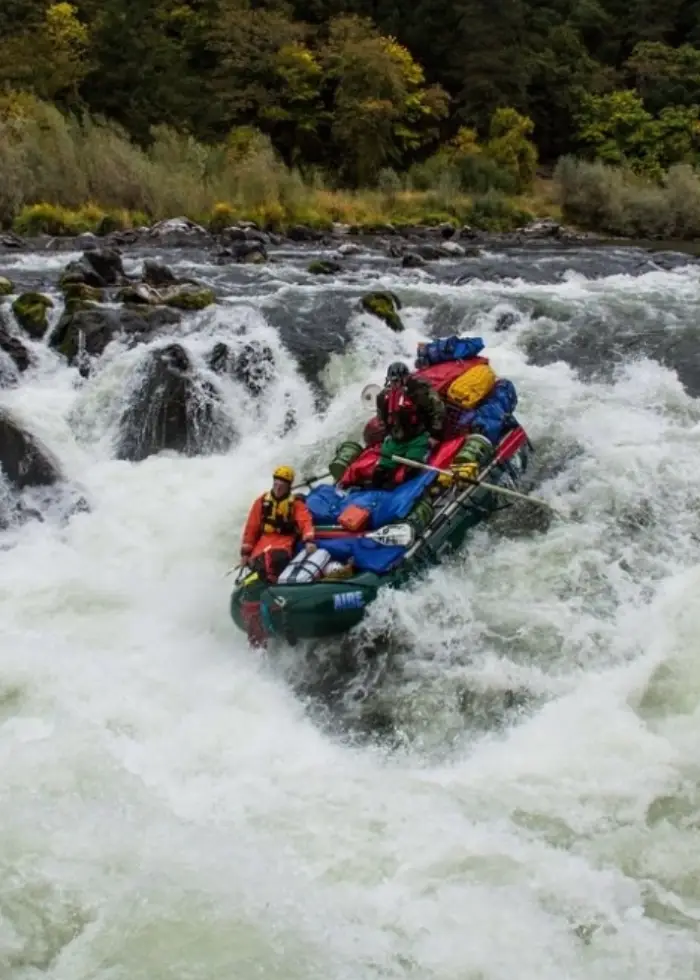
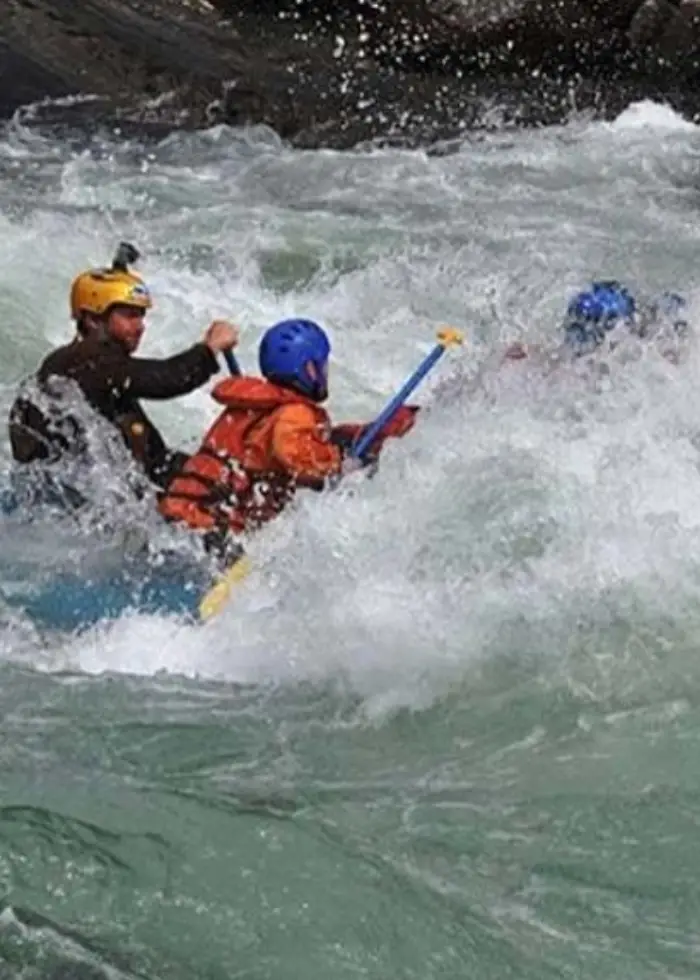
Adventure is closer than you think. At Adventure Sports Nepal, we specialize in high-value, high-impact experiences that prioritize the journey over the price tag. From local-led treks to group rafting expeditions, we help you see the best of the Himalayas without breaking the bank.
Copyright © 2026 All Rights Reserved. Developed By: Adventure Sports Nepal